No products in the cart.



Tumors
Cells that do not naturally die may cause mutated cell growth, into tumors. Free radicals cause mutated cell growth. They are undesirable by-products of your metabolic processes. Caused by insufficient nutrition and detoxification, and more. Free radicals are extinguished by antioxidants and ellagic acid. Ellagitannins from ellagic acid have the ability to stop mutated cell growth. To help your abnormal cells die. Abundant oxygen helps tumors die. Create an internal environment where free radicals cannot exist. Eating enough fiber can seriously inhibit bowel tumors. Kill free radicals with nutritional support for your immune system. Sufficient cleansing and detoxification endeavors will support your good health also. Take a look at all our Blogs about Tumors. You might enjoy listening to our Podcasts for current information on health repair and maintenance.
Showing 1–16 of 29 results
-

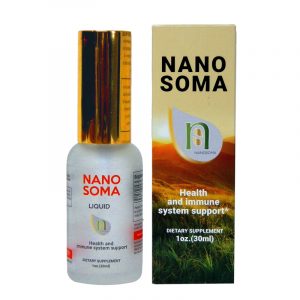
Nano Soma
Anti-aging and DNA Repair Support
$0.57 Cashback By: Life EnthusiastAnti-aging and DNA Repair SupportAdd to WishlistAlready In Wishlist$57.00Add to WishlistNano Soma Anti-aging and DNA Repair Support Nano Soma helps repair DNA damage. This damage can come from: Exposure to environmental toxins Emotional trauma Viral infections And other stressors. These things all affect your cells ability to replicate correctly. Nano Soma is able to help restore your cells ability to replicate, withOUT these distortions. It's like making new cells just like the original. Instead of a fuzzy replication. Benefits of Nano Soma may include: Anti-aging to increase longevity Improves most underlying health problems Reduces inflammation and pain Blocks infections Enhances wound healing Increases energy Promotes...
- Helps Clear DNA damage
- May Increase Life Length and Quality
- Helps Reduce Pain from Inflammation
- May Improve Immunity
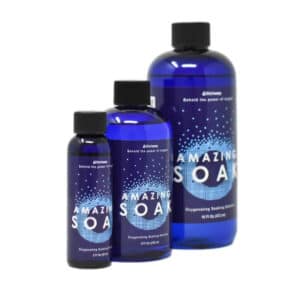
Amazing Soak
Oxygenating Soaking Solution
$4.00 Cashback By: WetwayOxygenating Soaking SolutionAdd to WishlistAlready In Wishlist$20.00 – $399.95Add to WishlistAmazing Soak Helps Rejuvenate Your Skin and All Internal Tissues Soak your body (or feet) to increase your oxygen. This may improve your energy and alertness. Revitalize your skin with deep pore cleansing. Reduce stress and pain. The longer you soak, the deeper it goes. Enhances your available oxygen to help: Alleviate sore, tired or over-exercised muscles Recover faster from injury, surgery, strenuous activity Reduce pain from inflammation Increase blood flow Effective oral antimicrobial rinse Improve energy and sleep or relaxation Support elimination of toxins. Amazing Soak Diminishes Skin Problems Antiseptic (disinfecting) and anti-inflammatory (reduce...
- Helps Raise Your Energy and Sharpen Your Senses
- May Reduce Pain from Inflammation
- Helps Revitalize Skin, Muscles and Organs
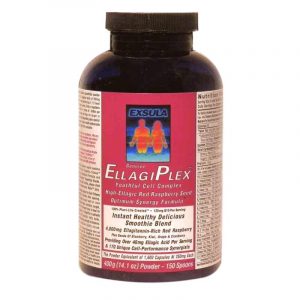
EllagiPlex
Antioxidant Superfood Blend Supports Natural Cell Turnover
$1.40 Cashback By: Exsula SuperfoodsAntioxidant Superfood Blend Supports Natural Cell TurnoverAdd to WishlistAlready In Wishlist$139.95Add to WishlistEllagiPlex promotes abnormal cell death, within days. Ellagitannins are beneficial to our bodies, and the EllagiPlex formula delivers them in a healthy and delicious smoothie powder blend. Your body has a built-in ability to shut-off and dissolve cells that cannot be repaired and to replace them with young and healthy cells. Ellagic acid helps activate this natural mechanism called apoptosis. EllagiPlex is a blend of ellagitannins from raspberry seeds, complemented by strawberry, blueberry and blackberry seeds helps boost a suppressed cellular turnover mechanism. Scientific studies show that ellagitannins prevent uncontrolled cellular replication. When combined...
- Breakthrough For Healthy Cells and Longevity
- Promotes Natural Cell Death, May Reduce Tumors
- Antibacterial and Antiviral
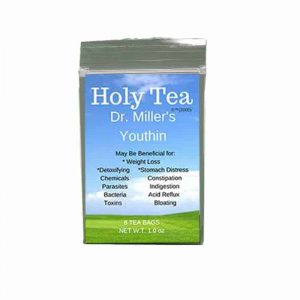
Holy Tea
Herbal Bowel and Liver Cleanse
$0.30 Cashback By: Dr. MillerHerbal Bowel and Liver CleanseAdd to WishlistAlready In Wishlist$29.99Add to WishlistHoly Tea helps break down and flush out toxic waste in your bowels. Regulate Your Bowel Movements Allow yourself the benefits of a much needed bowel and liver cleanse. With continued use of Holy Tea, you may see and feel healthier, younger looking skin, increased energy and a happier personality! As you remove toxic deposits from your body, you may lose dark moods caused by sluggish elimination. By choosing how many cups of this tea you drink in a day you can regulate your bowel movements to two or three each day. Keep the toxic...
- Supports Regular Bowel Movements
- May Relieve Bloating and Other Signs of Poor Digestion
- Helps Increase Energy, May Assist Weight Loss
Apple Fiber
Improve Bowel Regularity
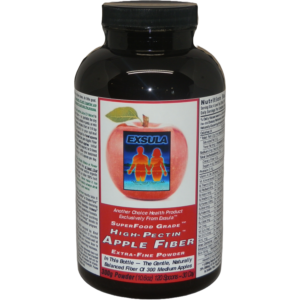
$0.30 Cashback By: Exsula SuperfoodsImprove Bowel RegularityAdd to WishlistAlready In Wishlist$29.95Add to WishlistApple Fiber promotes regular bowel movements. Improving regularity will enhance your nutrient absorption and waste elimination. This may energize your immune system for overall increased health, vitality and healing. Better detoxification is a great first step to battling both obesity and abnormal glucose levels. As a cholesterol-lowering agent, this formula may be even more effective than oat bran and psyllium. Even more impressive, research suggests that Apple Fiber may battle or guard against colon tumors by accelerating the elimination of toxins. This very special high quality supplement is naturally occurring, and extracted with...
- Promotes Digestive Regularity
- Cleaner Digestive System
- Promotes Stronger Immunity
Karma Cleanse
Herbal Cleansing Tonic
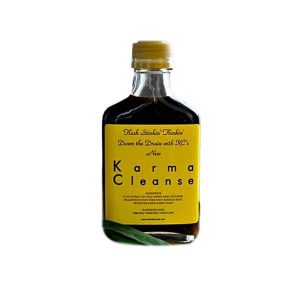
$0.50 Cashback By: Life EnthusiastHerbal Cleansing TonicAdd to WishlistAlready In Wishlist$50.00Add to WishlistKarma Cleanse is an effective herbal detox to cleanse blood and organs (liver, kidneys, pancreas, digestive). Wild Cherry Bark successfully resolved pulmonary (lung) and digestive conditions, on the recommendation from Edgar Cayce. One other ingredient in this tonic - beet sugar or juice - was also noted for effectively balancing pancreas, kidneys and digestive organs. This tincture has also shown to: Help kill tumors and tumor-type diseases Detoxify, cleanse and build blood. Decades ago, Harry Hoxsey promoted this Karma Cleanse formula as his own family recipe to eliminate tumors and tumor-type diseases, with an...
- Gentle yet Highly Effective Blood and Organ Cleanser
- May Resolve Lung and Digestive Conditions
- May Eliminate Tumors and Tumor-type Diseases
- Helps Optimize Hormone (Endocrine) and Metabolic Functions
Zetox
Detoxifier and Antiviral with Vitamin B12 and D3
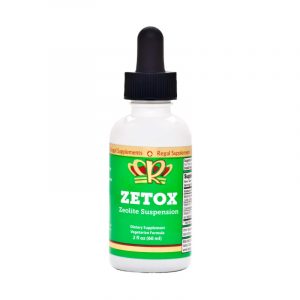
$0.22 Cashback By: ZEO HealthDetoxifier and Antiviral with Vitamin B12 and D3Add to WishlistAlready In Wishlist$21.99Add to WishlistZetox helps remove toxins and heavy metals that build up in your body. This may enhance your general immune function and overall well being. Absorbs toxins May provide protection from radiation Helps remove heavy metal contamination (e.g. mercury, lead, arsenic) May boost immunity (protection from colds, flu, viral infections) Helps balance the pH May reduce free radicals Helps suppress viral infections Assist in purging parasites, pathogens and viruses from your body Antibacterial activity and antiviral effect May provide relief for some allergies of eyes and sinuses Helps accelerate wound repairs...
- Helps Remove Toxic Heavy Metals and Other Chemicals
- Helps Boost Immunity with D3
- Supports Energy Production with B12
Premium
Superfood Blend
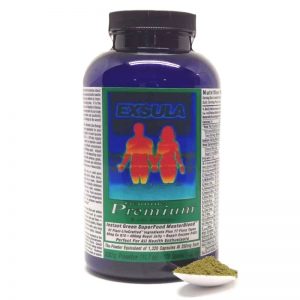
$1.20 Cashback By: Exsula SuperfoodsSuperfood BlendAdd to WishlistAlready In Wishlist$119.95Add to WishlistPremium superfood blend is formulated to support energy, oxygenation, cell health and renewal. May remove or reduce risk of tumors. You would have to eat 14 pounds of raw broccoli, just to get the 18mg of Coenzyme Q10 in every teaspoon of Premium. And that's just one of the hundreds of nutrients in each sip of a Premium smoothie. Feel a calm depth of genuine life energy, totally unlike the artificial rush triggered by caffeine or other stimulants. Refreshing, Super Nutrition - Energy from Enzymes -...
- Supports Cell Repair and Restoration
- Focus on Oxygenation, Energy, Rejuvenation and Cleansing
- Energy from Enzymes and Important Phytonutrients
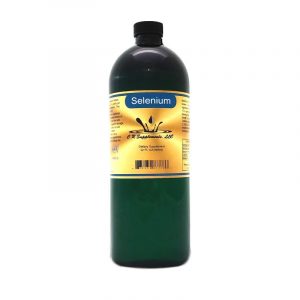
Selenium
Ionic Mineral Supplement
$0.23 Cashback By: CR SupplementsIonic Mineral SupplementAdd to WishlistAlready In Wishlist$23.20 – $104.74Add to WishlistSelenium is essential for the proper functioning of your body. Critical for thyroid hormone production Antioxidant to help prevent and stop tumor growth Defends against heart disease Helps prevent aging mental decline May boost immunity Helps reduce serious breathing difficulties. Selenium is a powerful antioxidant that may prevent and stop tumor growth. Helps reverse symptoms of aging and eliminate painful degenerative diseases. Antioxidants help kill free radicals that cause mutated cell growth (tumors). Free radicals are by-products of your metabolic processes. Caused by insufficient nutrition and detoxification. Stress and exposure to...
- Critical for Thyroid Function
- Antioxidant Helps Prevent and Stop Tumor Growth
- May Slow Aging Mental Decline
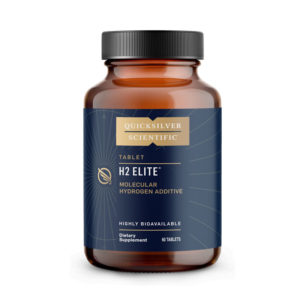
H2 Elite
High-Dose Antioxidant Hydrating Drink
$0.55 Cashback By: QuickSilver ScientificHigh-Dose Antioxidant Hydrating DrinkAdd to WishlistAlready In Wishlist$55.00Add to WishlistH2 Elite is Molecular Hydrogen Powerful Antioxidant for Optimal Health Turn any glass of water into an instant energy drink. Dissolves in less than two minutes for fast-acting, free radical quenching replenishment. Gentle Rejuvenation Molecular hydrogen tablets produce millions of tiny nano bubbles that flood your body with nature’s purest antioxidant. Mild yet powerful, it can support: Increase metabolism and energy Detoxification Stronger immunity Improve focus Restful sleep Balanced inflammatory responses Overall increase in health and...
- Helps Reduce Free Radicals (main cause of tumors and aging)
- May Increase Energy (physical and mental)
- Supports Stronger Immunity and Cellular Hydration

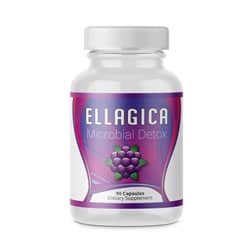
Ellagica
Powerful Antioxidant Supports Natural Cell Turnover
$0.89 Cashback By: RemedyLinkPowerful Antioxidant Supports Natural Cell TurnoverAdd to WishlistAlready In Wishlist$89.00Add to WishlistEllagica contains Ellagic Acid that promotes the natural cell death of malignant cells. When a cell begins to form a tumor, our DNA sends it a signal to self-destruct. This is one of the most powerful safeguards we have in preventing cellular mutation and it works the majority of the time. Unfortunately, it only takes one cell capable of blocking this signal for a tumor to form. It is specifically those cells that are capable of overriding the self-destruct signal from the DNA that continue to grow and eventually form tumors. Ellagic...
- Promotes Natural Cell Death, May Reduce Tumors
- Massive Cellular Clearing Helps Rebuild Healthy Cells
- Inhibits Parasites, Bacterial and Viral Infections
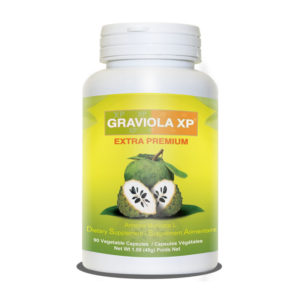
Graviola XP
Broad Use Amazonian Health Tonic
$0.29 Cashback By: UHTCO CorporationBroad Use Amazonian Health TonicAdd to WishlistAlready In Wishlist$28.99Add to WishlistGraviola XP Best natural supplement to help build healthy cells and much more: Antioxidant Antibacterial, anti-fungal Anti-parasitic, insecticidal and anti-malarial Helps whole body detoxification Vasodilator and helps lower blood pressure Anti-convulsant and anti-spasmodic Antidepressant Antimutagenic May reduce severe headaches Helps relieve inflamed, red skin issues. Graviola XP has no known side effects, toxicity reports or interactions with any supplement or pharmaceutical...
- Antioxidant
- Antibacterial and Anti-fungal
- Helps Whole Body Detox
Methylene Blue
Powerful Antioxidant that clears Electron Deficit Fast
$0.40 Cashback By: GaiaTheraPowerful Antioxidant that clears Electron Deficit FastAdd to WishlistAlready In Wishlist$39.95 – $79.95Add to WishlistMethylene Blue Methylene Blue is a strong dye that has been used in the past to treat malaria, urinary tract infections, and a rare blood condition called methemoglobinemia. It is an antioxidant, which means it will neutralize the effects of stress, aging, and metabolic energy demands. Methylene Blue supports more available energy, better sleep and reduces the effects of stress. Necessary for a healthy brain, nerves and muscles, including your heart. Keep on-hand for any time you need a mood and/or energy lift. Antioxidants are critical for health. Deficit will cause rapid aging, emotional...
- Helps Calm Nerves and Reduce Stress
- Enhances Energy and Performance
- May Boost Brain Functions
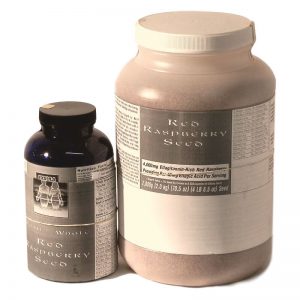
Raspberry Seeds
Antioxidant Can Shut Down Tumors
$1.90 Cashback By: Exsula SuperfoodsAntioxidant Can Shut Down TumorsAdd to WishlistAlready In Wishlist$49.95 – $189.95Add to WishlistRaspberry Seeds are for smoothie enthusiasts who own a high-powered blender (VitaMix, Blendtec, Good4U) or a coffee mill. They contain a specialized antioxidant. A series of ellagitannins which are converted into ellagic acid in your body. Many fruits contain ellagitannins, but your body cannot convert all sources into useable, beneficial levels of ellagic acid. Raspberries are one of the few sources of ellagitannins that your body can transform into useful levels of ellagic acid. The very best way to get the ellagic acid is with extra fine ground raspberry seeds. Ellagitannins (ellagic acid)...
- Powerful Antioxidant
- Ellagitannins Help Kill Tumors
- May Reduce Signs of Aging
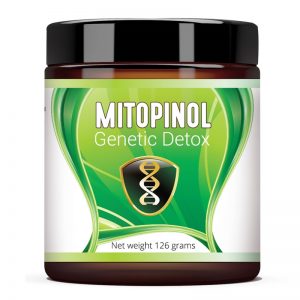
Mitopinol
Genetic Detox
$0.70 Cashback By: RemedyLinkGenetic DetoxAdd to WishlistAlready In Wishlist$69.99Add to WishlistMitopinol helps protect you from aging and disease. Detoxify for Overall Good Health Ellagic Acid and Ant Extract: Genetic Protection It takes an estimated 6 to 7 mutations before a cell causes serious disease and your body has 3 defenses against this. Stop mutated cells from replicating (cell arrest). Repair certain mutations. Kill cells that are beyond repair. Elephants and ants are exceptional at these. Elephants have an abundance of TP53 gene copies (more than us) and this enables all three functions. Ants make a powerful DNA repair ingredient called Irododial (we do not). Ellagic...
- May Defend Against Mutated Cell Growth
- Detoxify from Heavy Metals
- Helps Optimal Cell Functions
- Supports Formation of New Blood Vessels
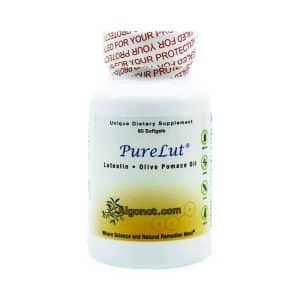
PureLut
Supports Brain Health
$0.39 Cashback By: AlgonotSupports Brain HealthAdd to WishlistAlready In Wishlist$39.00Add to WishlistPureLut is outstanding support for brain health and mitochondrial aging. Promote Harmony Between Body and Mind Helps increase attention, concentration, focus and learning May decrease age-related memory deficits Protects neurons May reduce free radicals and inflammation Minimizes stimulation of mast cells Helps tolerate sensitive foods. Luteolin Naturally occurring bioflavonoid shown to be a free radical scavenger with anti-inflammatory and neuroprotective properties. Also exhibits protective activity for muscle and nerve cells. Olive Pomace Oil Plays an important role in increasing the absorbability of flavonoids. Flavonoids are a group of natural molecules found in a variety of...
- Helps Increase Attention and Focus
- May Decrease Age-related Memory Deficits
- May Reduce Free Radicals and Inflammation
Search with Life Enthusiast